 Purr
1. Choose a roomy, low-entry box
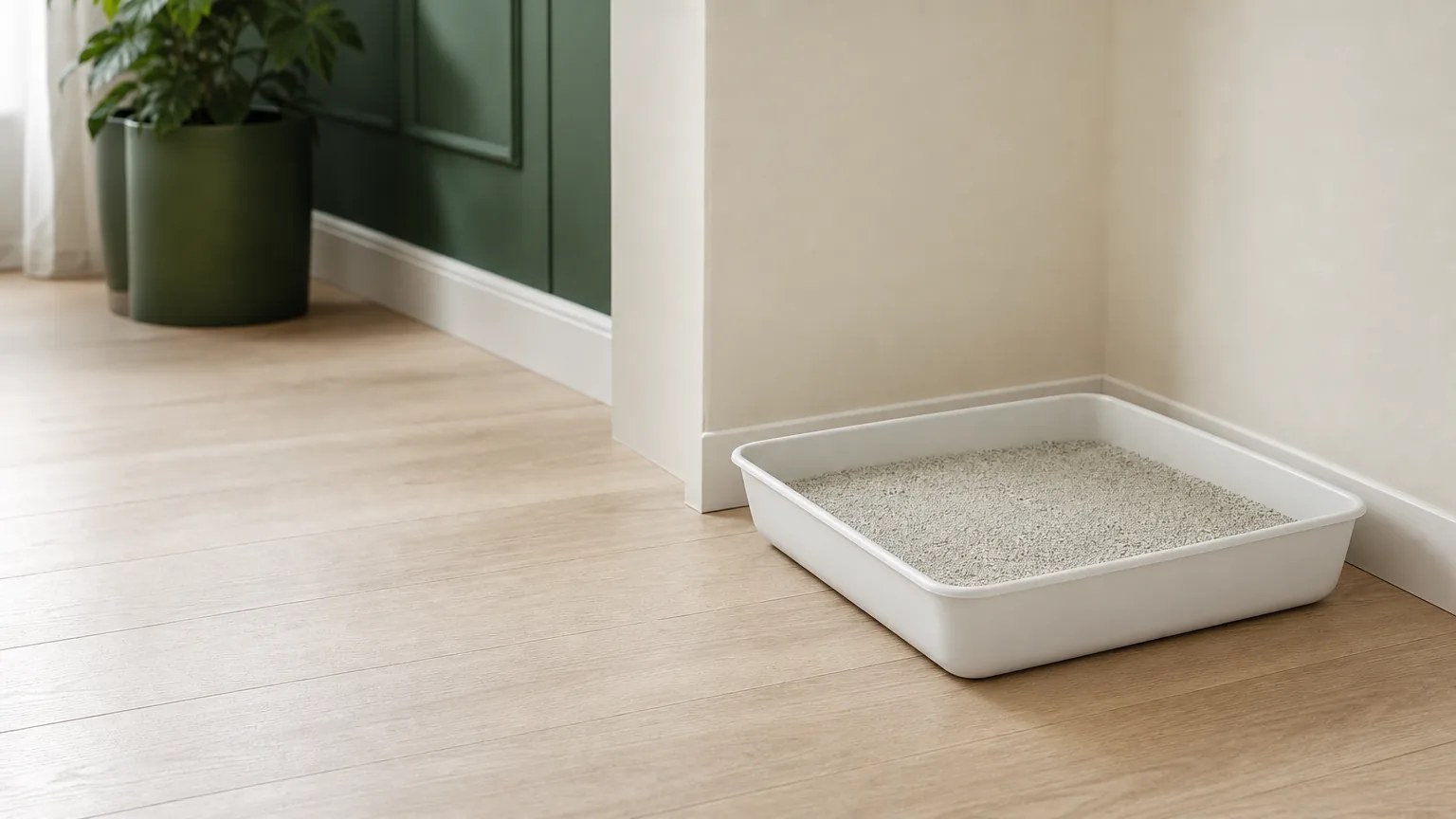
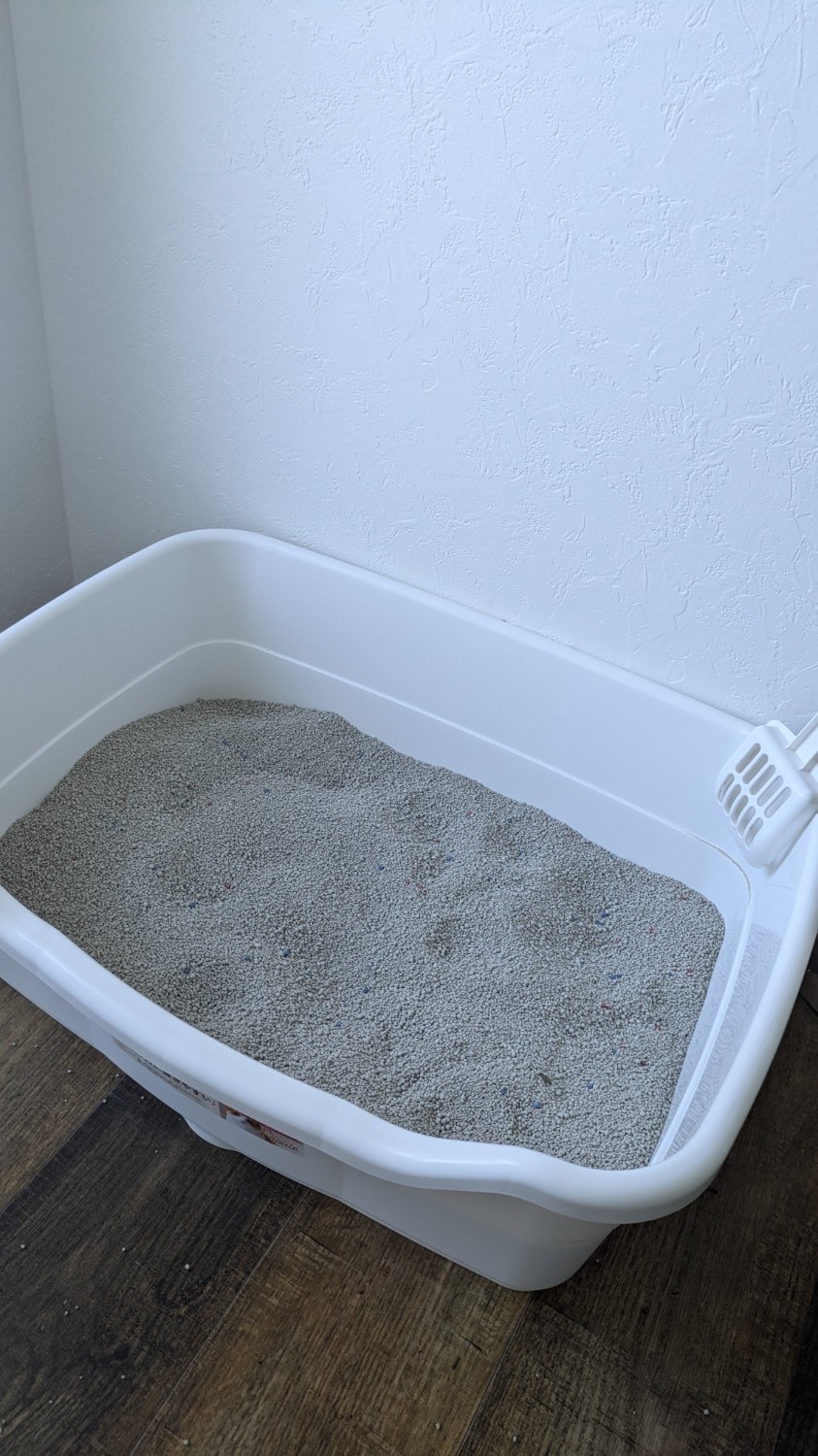
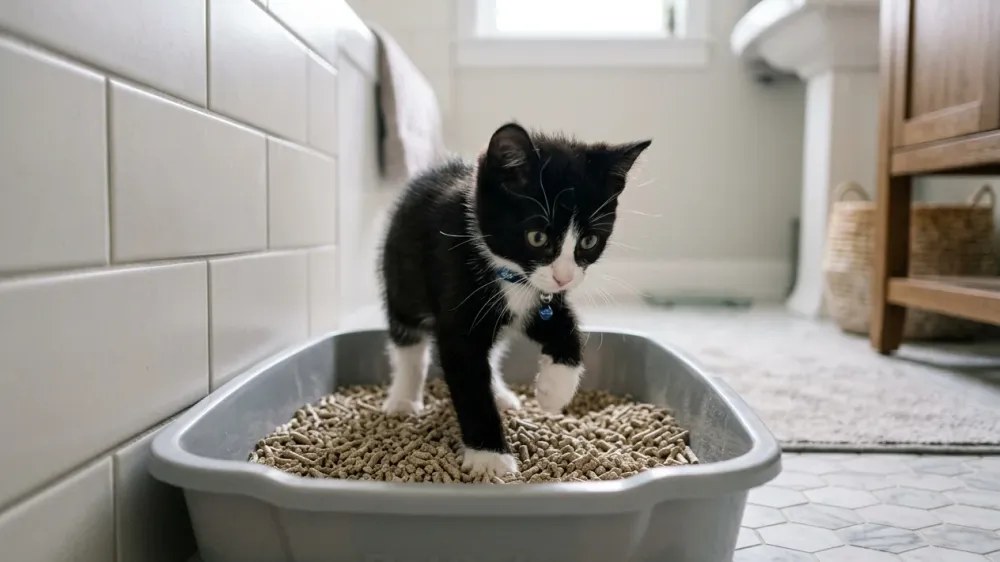
Kittens climb more easily into a box with a low front edge, and a roomy box stays comfortable as they grow.
Kitten Care
A simple setup, a quiet spot, and a steady cleaning routine make litter training calmer for kittens and new owners.
Quick picker
Kitten Care
Kittens climb more easily into a box with a low front edge, and a roomy box stays comfortable as they grow.
A calm, low-traffic spot helps kittens feel safe enough to use the box without being startled.
Cats generally prefer eating and drinking away from the litter area, so separate the stations.
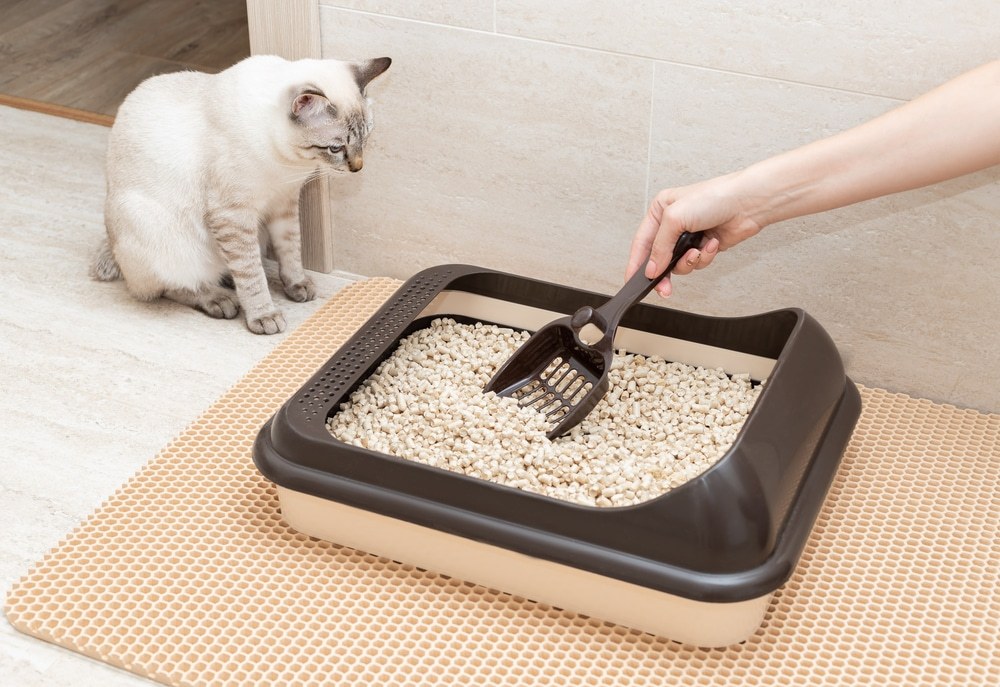
A quick daily scoop keeps the box inviting and helps you notice changes in litter habits early.
Top up litter as needed and do a full refresh regularly, following the litter maker's general guidance.
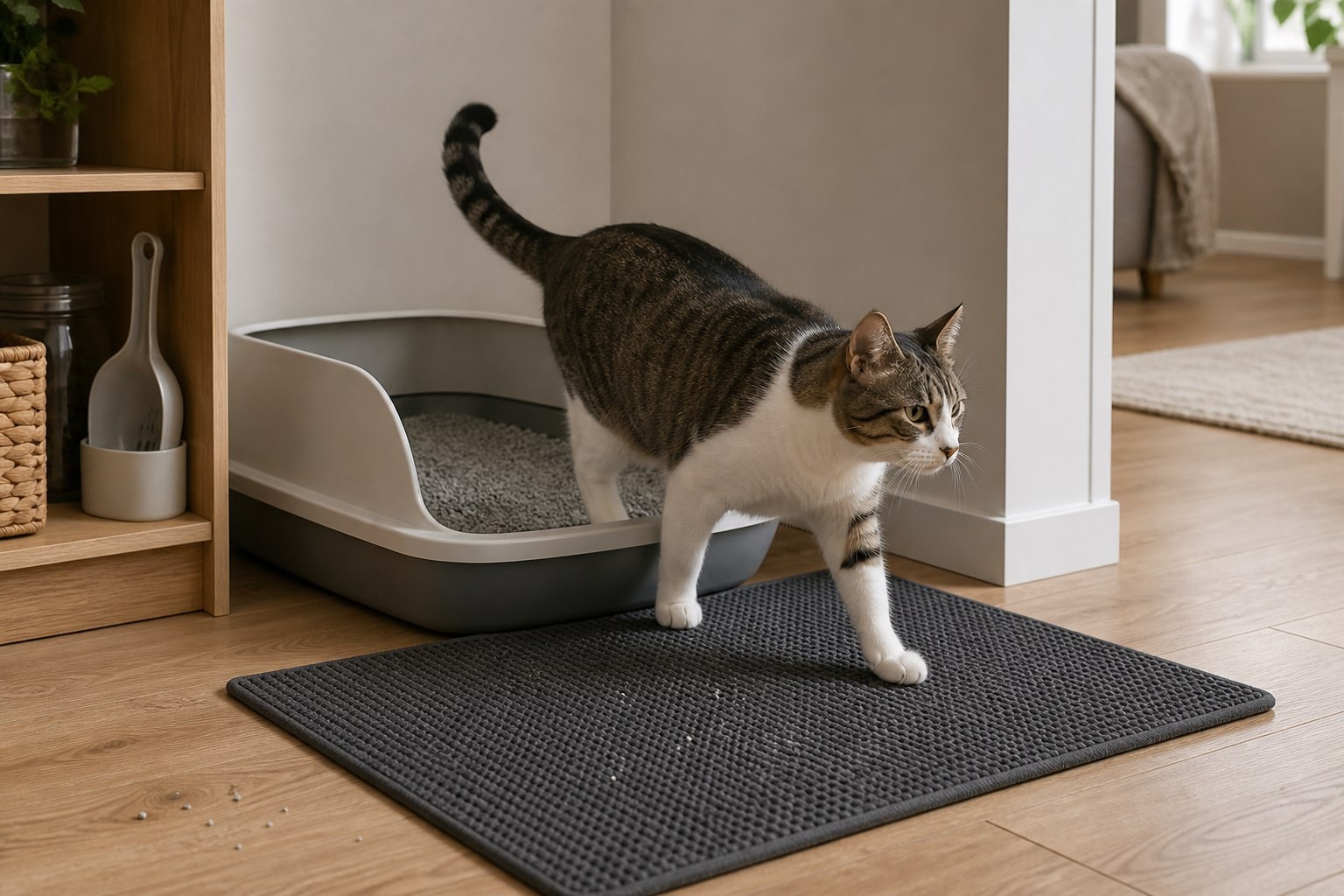
A mat in front of the box catches tracked litter and makes cleanup easier.
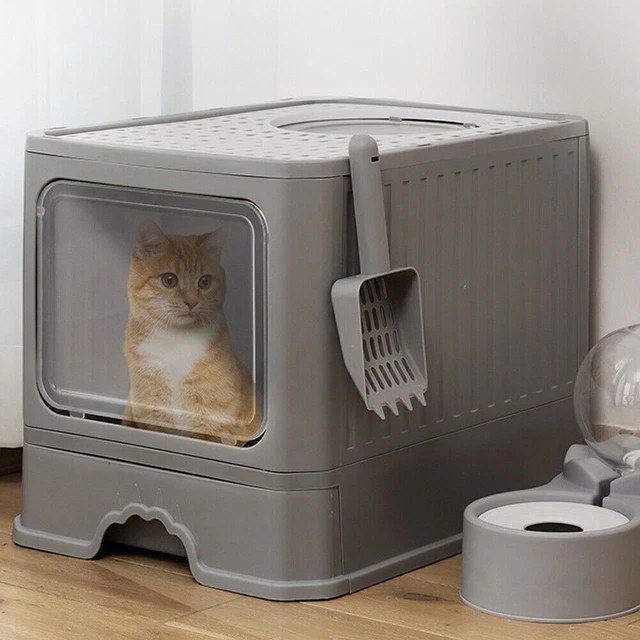
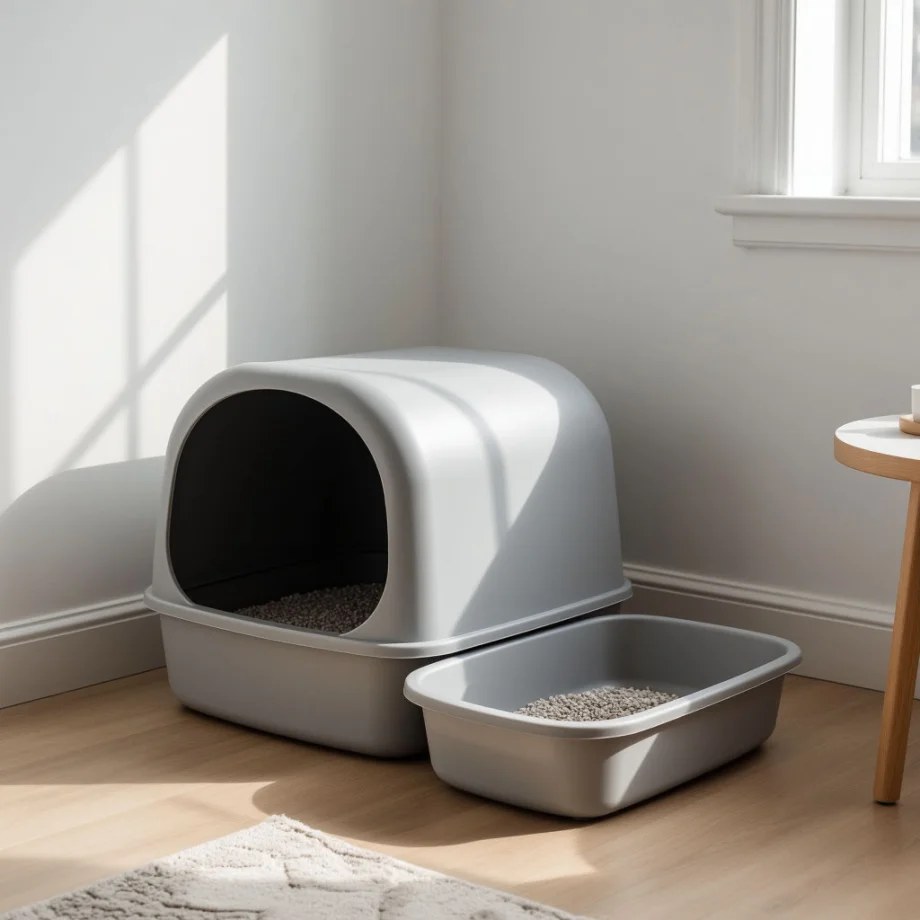
Some cats like the privacy of a covered box; others prefer open. If a kitten avoids a covered box, try open.
Place your kitten near the box after meals and naps, and praise calm exploration. Never punish accidents.
Daily routine
Scoop solids and clumps once or twice a day.
Top up litter and wipe the mat and box edges.
Do a full litter refresh and wash the box with mild soap and water.
Avoid these
When to check
Ask a veterinarian promptly if your kitten strains, cries in the box, produces little or no urine, has blood in urine or stool, or suddenly avoids the box. Litter changes can be an early sign something is wrong.
FAQ
One accessible box is the starting point; many homes add one more than the number of cats as kittens grow.
A quiet, easy-to-reach corner away from food and water works well for most kittens.
Daily scooping keeps the box inviting and makes habit changes easier to spot.
Clean it calmly, place your kitten near the box after meals and naps, and reward box use. Avoid punishment.
Keep reading

Kitten Care
The must-haves, nice-to-haves, and first-week order for a calmer kitten homecoming.
25 essentials
Cat Home & Enrichment
Simple safety fixes for cords, windows, cabinets, trash, and small objects at home.
18 fixes
Indoor Cat Life
Window perches, puzzle play, cardboard hideouts, and simple ways to enrich indoor cat life.
15 ideas