 Purr
Cat Behavior
9 Signs Your Cat Trusts You
Trust in cats is usually quiet. It looks like relaxed eyes, chosen closeness, predictable greetings, and rest near you.
Use these signs as general clues, not a test. A cat can trust you and still prefer space on some days.
Quick answer
The short version
Look for relaxed body language, cat-led contact, calm greetings, and rest near you. Sudden changes matter more than one single sign.
9 signs
Trust signs to notice
Sign 1 of 9
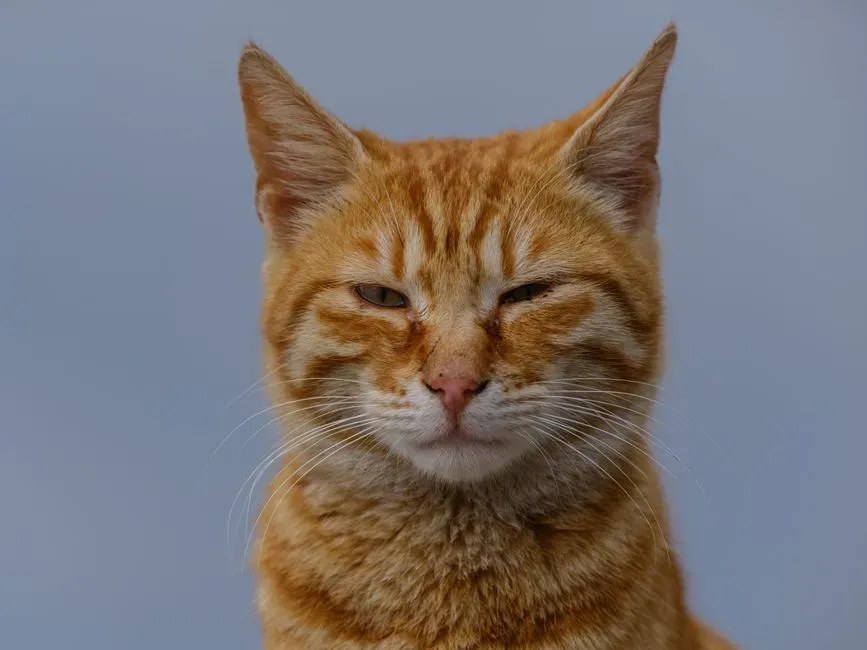
Slow blinks at you
What it may mean: A relaxed cat may half-close or slowly blink its eyes during calm moments.
What to do: Blink back slowly and keep your movements calm.
When to ask a vet: Ask a vet if squinting comes with discharge, pawing at the eye, appetite change, or hiding.
Sign 2 of 9
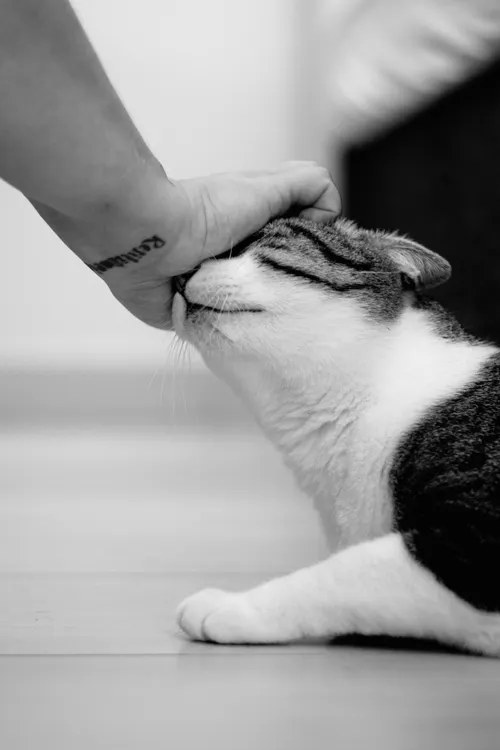
Head bumps and rubbing
What it may mean: Rubbing against you can be a social, familiar greeting.
What to do: Let your cat start the contact and offer a hand to sniff.
When to ask a vet: Ask a vet if rubbing suddenly increases with skin irritation, ear scratching, or behavior change.

Sign 3 of 9
Tail-up greetings
What it may mean: A raised tail during a greeting often signals a friendly approach.
What to do: Greet your cat at its level and avoid reaching over its head.
When to ask a vet: Ask a vet if posture changes with pain, stiffness, or litter-box changes.
Sign 4 of 9
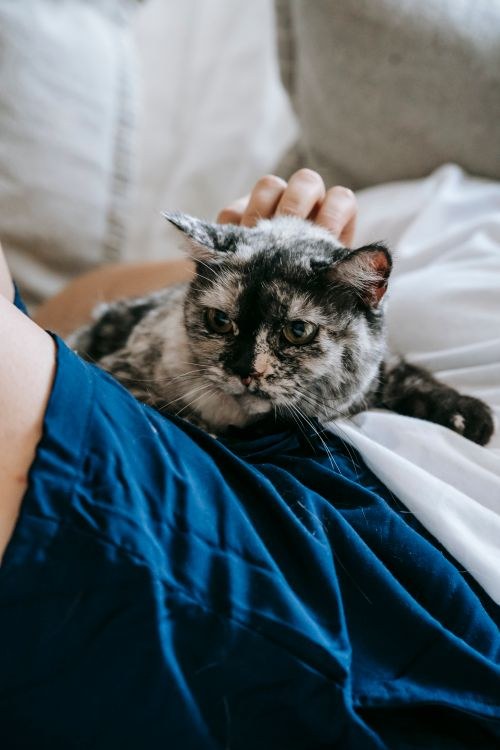
Choosing your lap
What it may mean: Settling on or beside you suggests your cat feels safe nearby.
What to do: Stay still, let your cat leave freely, and keep sessions cat-led.
When to ask a vet: Ask a vet if lap-seeking suddenly changes with appetite, energy, or breathing changes.
Sign 5 of 9
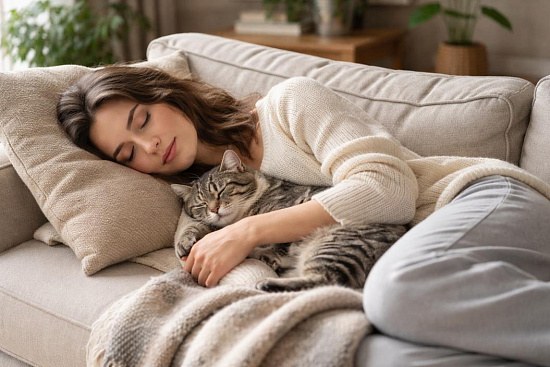
Sleeping nearby
What it may mean: Cats often rest where they feel secure, including near trusted people.
What to do: Keep the resting spot quiet and avoid waking your cat for attention.
When to ask a vet: Ask a vet if sleep becomes hard to rouse or comes with appetite or litter changes.
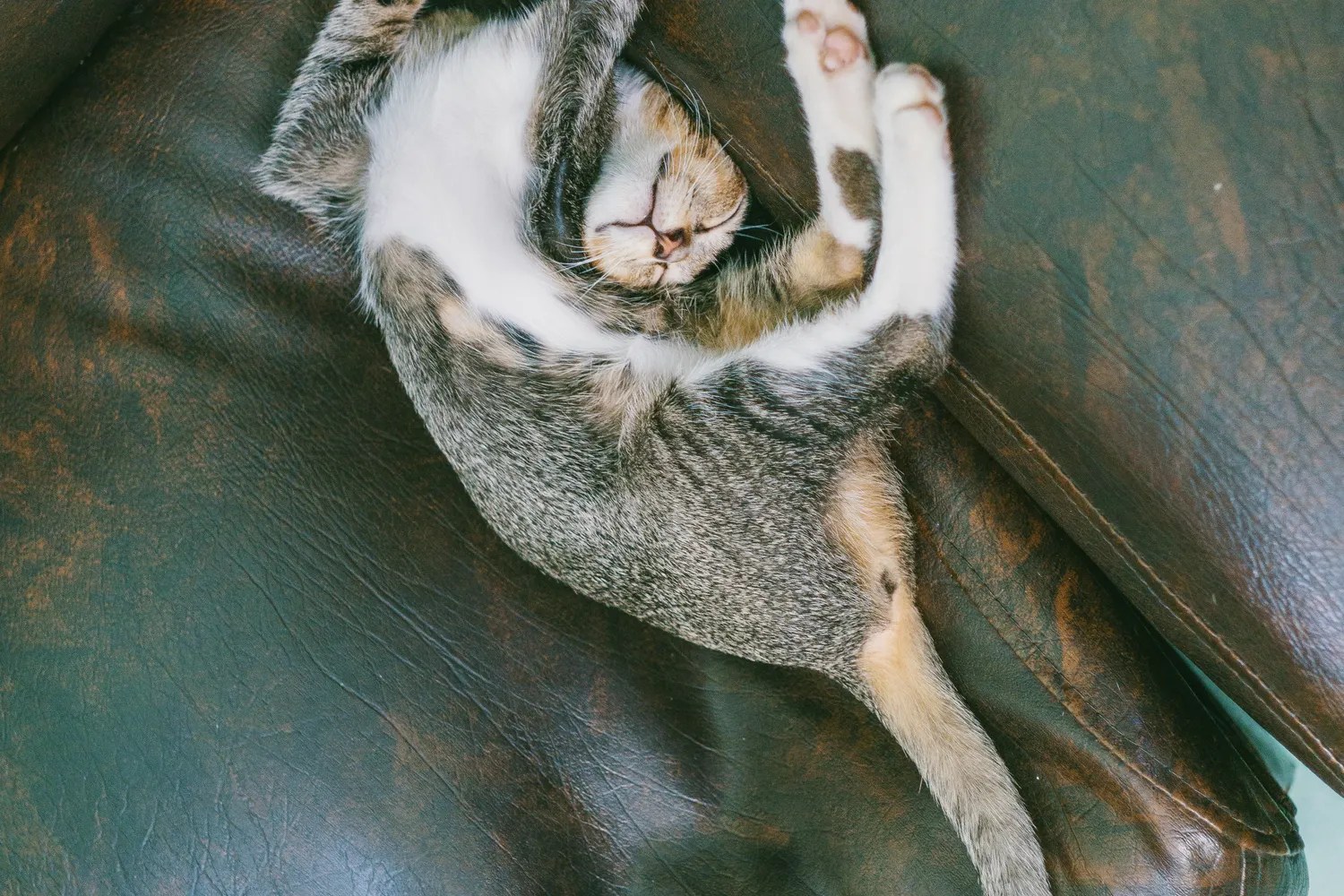
Sign 6 of 9
Showing the belly while relaxed
What it may mean: A belly display can show relaxation, but it is not always an invitation to touch the belly.
What to do: Admire from a distance unless your cat clearly invites contact.
When to ask a vet: Ask a vet if belly sensitivity comes with appetite change, vomiting, diarrhea, or hiding.
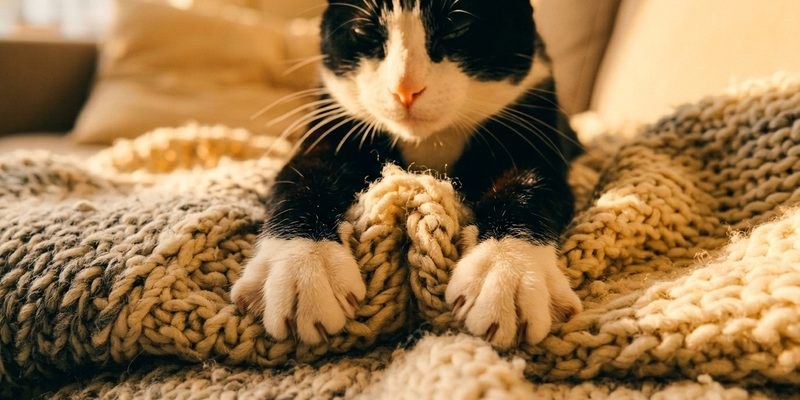
Sign 7 of 9
Kneading near you
What it may mean: Kneading on a blanket or lap can be part of a relaxed, familiar routine.
What to do: Put a soft blanket between claws and skin if needed.
When to ask a vet: Ask a vet if kneading changes with drooling, appetite change, or signs of discomfort.
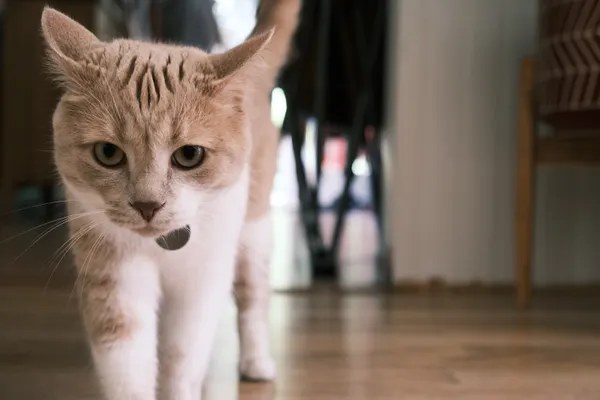
Sign 8 of 9
Staying close
What it may mean: Following from room to room can mean your cat enjoys your company and routine.
What to do: Keep play, feeding, and quiet time predictable.
When to ask a vet: Ask a vet if following becomes anxious pacing, vocalizing, or litter changes.
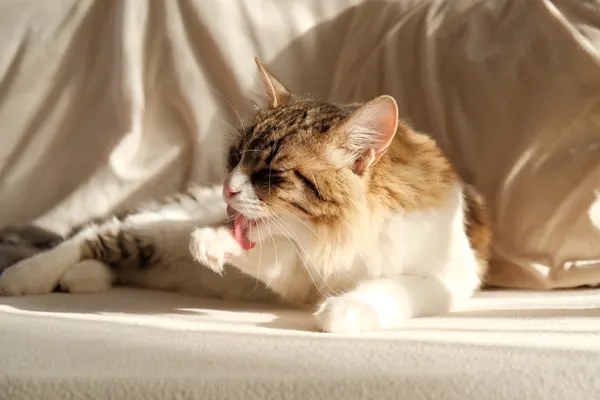


Sign 9 of 9
Grooming calmly nearby
What it may mean: Relaxed grooming near people can be part of normal downtime.
What to do: Give space and avoid interrupting grooming for handling.
When to ask a vet: Ask a vet if grooming becomes excessive, patchy, or paired with skin redness.
FAQ
Quick questions
Does a belly show always mean my cat wants a belly rub?
No. A relaxed belly show can signal comfort, but many cats do not enjoy belly touching.
Why does my cat follow me?
Following can be social and routine-based. Sudden anxious pacing or vocalizing is worth discussing with a vet.
Can a shy cat trust me?
Yes. Shy cats may show trust through calm proximity, slow blinks, and predictable routines rather than lap time.
Keep reading
Related Purrvora guides
Cat Behavior
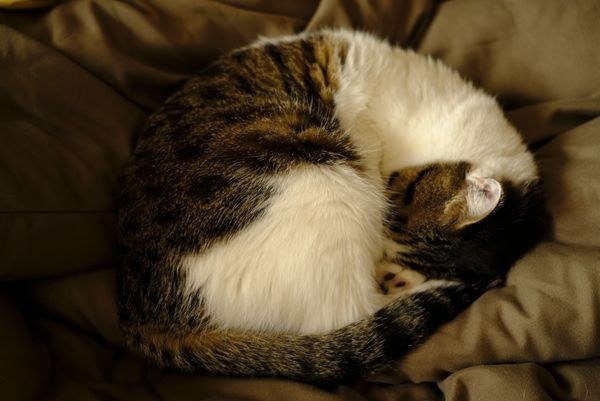
Cat Sleeping Positions and What They Mean
Curled-up, loaf, belly-up, and more — what common cat sleeping positions may suggest.
10 positions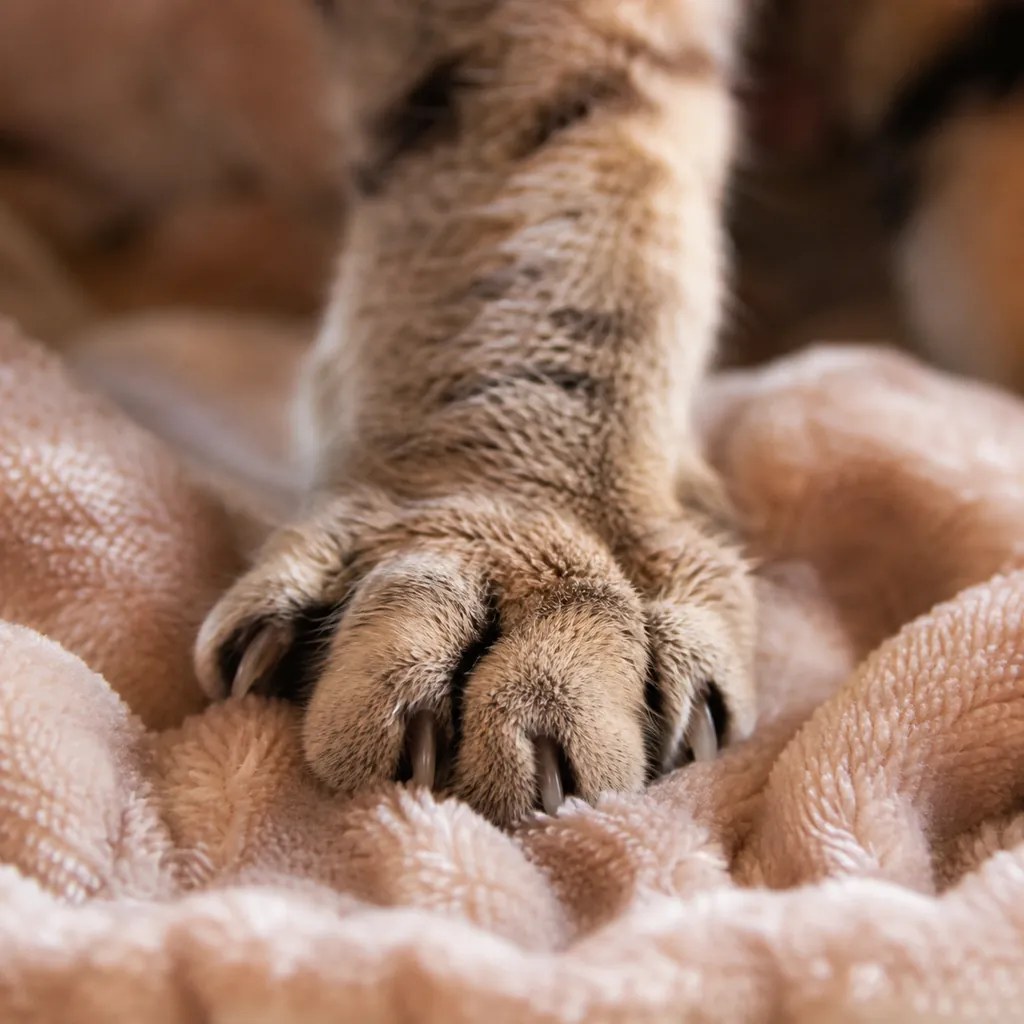
Cat Behavior
Why Cats Knead Blankets: 7 Sweet Reasons
Why cats make biscuits on blankets, laps, and beds — and when a change is worth a vet check.
7 reasons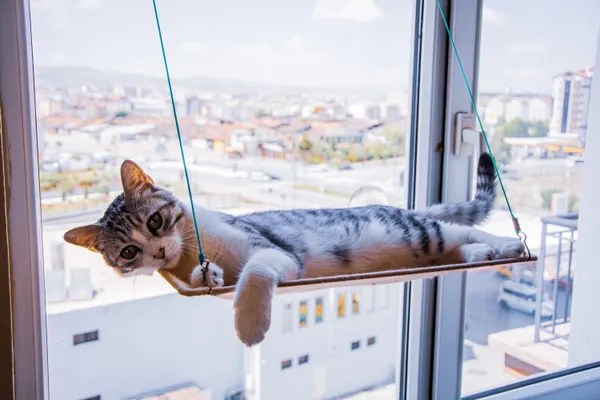
Indoor Cat Life
15 Cat Enrichment Ideas for Indoor Cats
Window perches, puzzle play, cardboard hideouts, and simple ways to enrich indoor cat life.
15 ideas