 Purr
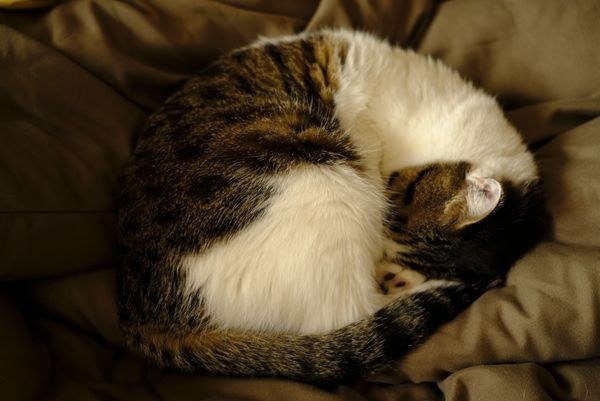
1. Curled-up ball
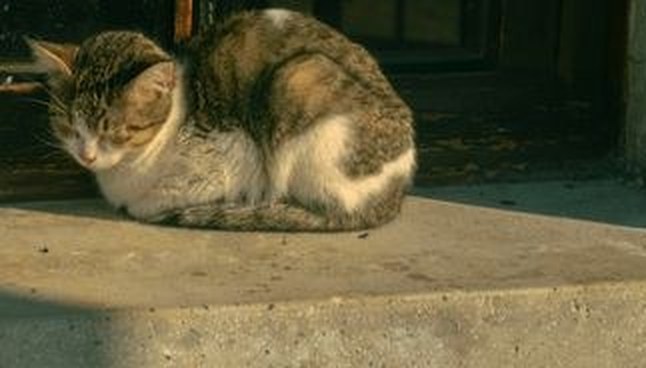
May suggest: A tight curl may suggest your cat is conserving warmth and protecting their belly while they sleep.
Gentle tip: Offer a soft, draft-free bed and let them rest undisturbed.
Cat Behavior
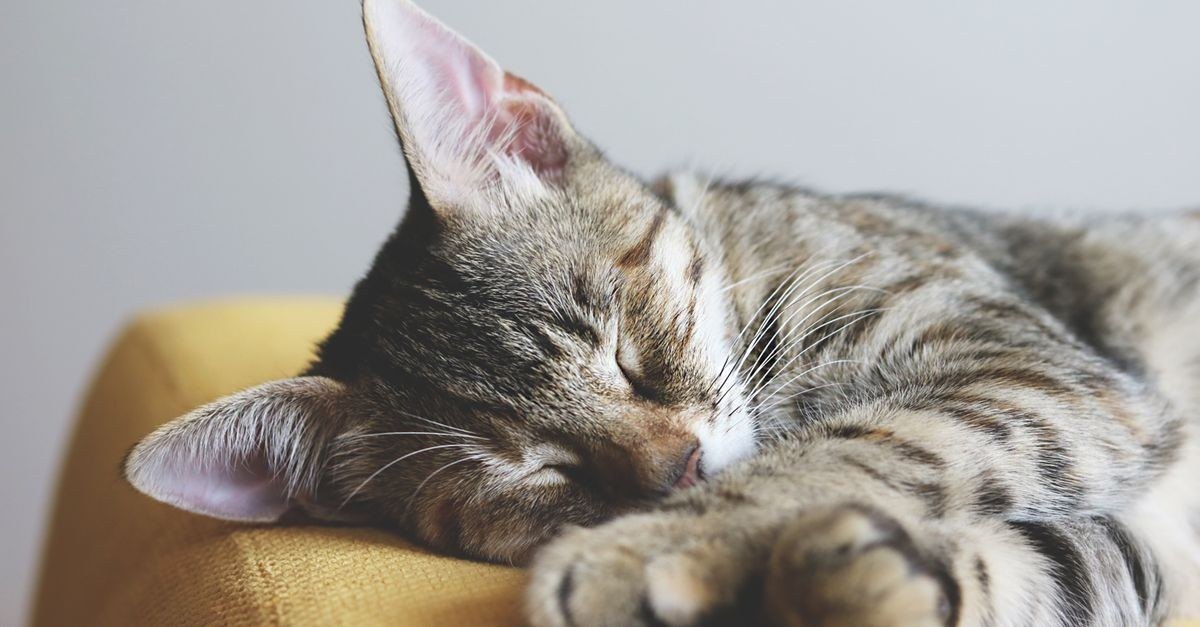
From tight curls to belly-up flops, here is what common cat sleeping positions may suggest — in general, everyday terms.
Quick picker
Cat Behavior
Positions are clues, not certainties. The same cat may curl up on a cold morning and stretch out on a warm afternoon.
May suggest: A tight curl may suggest your cat is conserving warmth and protecting their belly while they sleep.
Gentle tip: Offer a soft, draft-free bed and let them rest undisturbed.
May suggest: Paws tucked under the body often goes with a light, resting nap rather than deep sleep.
Gentle tip: A loafing cat may wake easily, so move calmly around them.
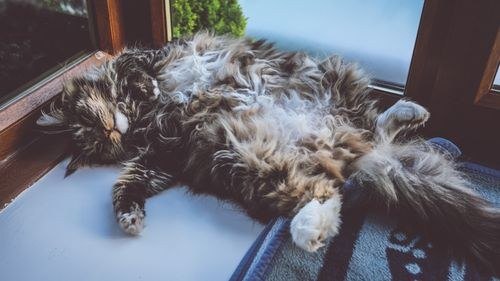
May suggest: An exposed belly may suggest your cat feels safe in that spot.
Gentle tip: A belly show is not always an invitation to touch — let your cat choose contact.
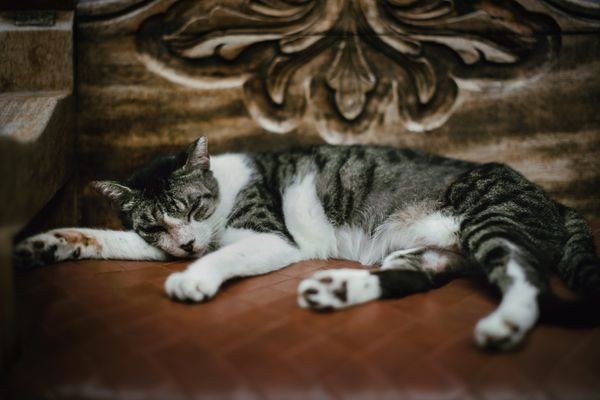
May suggest: Stretching out on one side may suggest relaxed, deeper rest.
Gentle tip: Side sleepers are often fully switched off; avoid startling them awake.
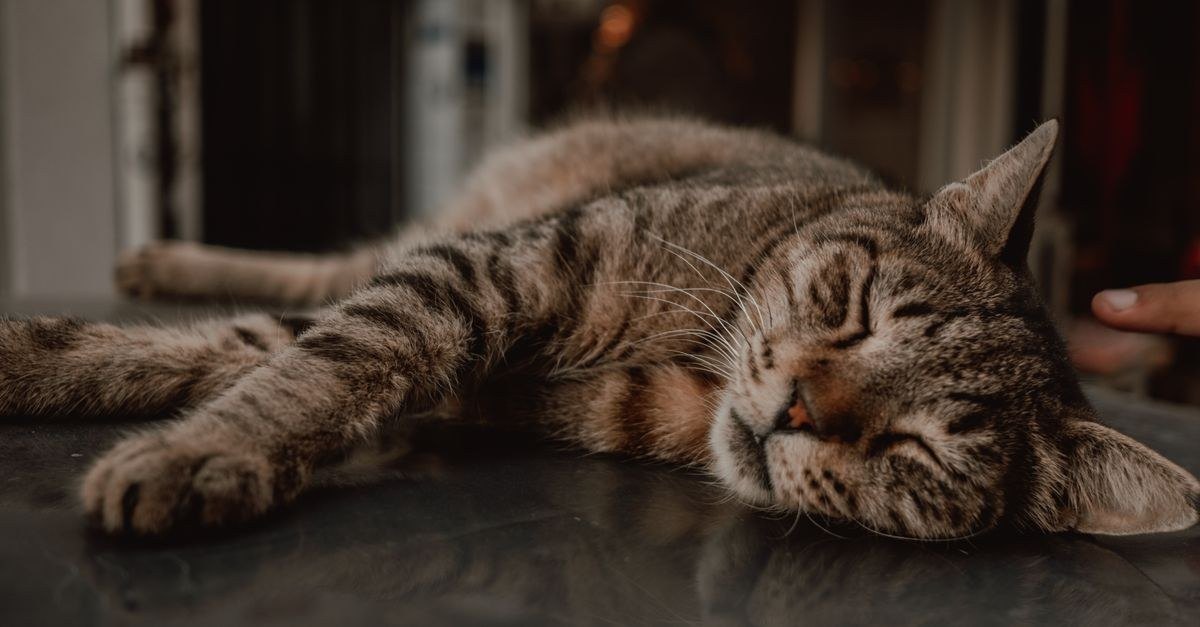
May suggest: A long, stretched body may suggest comfort, and can also help a cat cool down.
Gentle tip: On warm days, make sure fresh water and a cool resting spot are available.
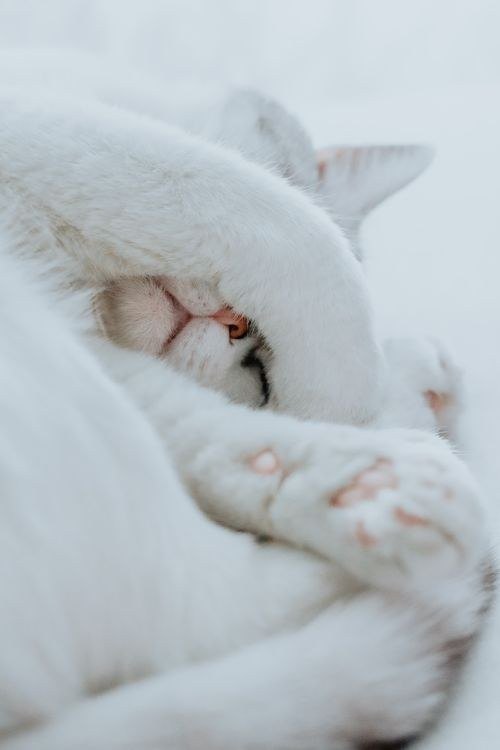
May suggest: Covering the face with a paw may suggest your cat is blocking light for deeper sleep.
Gentle tip: Dimming bright lights nearby can help light-sensitive sleepers.
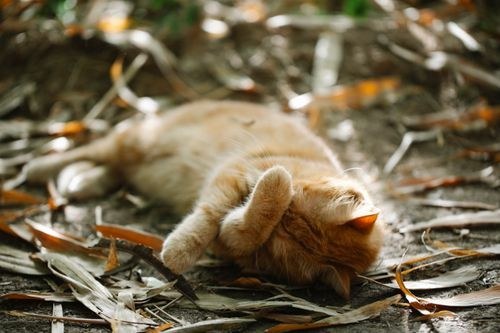
May suggest: Sleeping twisted on the back may suggest total relaxation in a place your cat trusts.
Gentle tip: These contortions look odd but are usually just a comfortable cat being a cat.
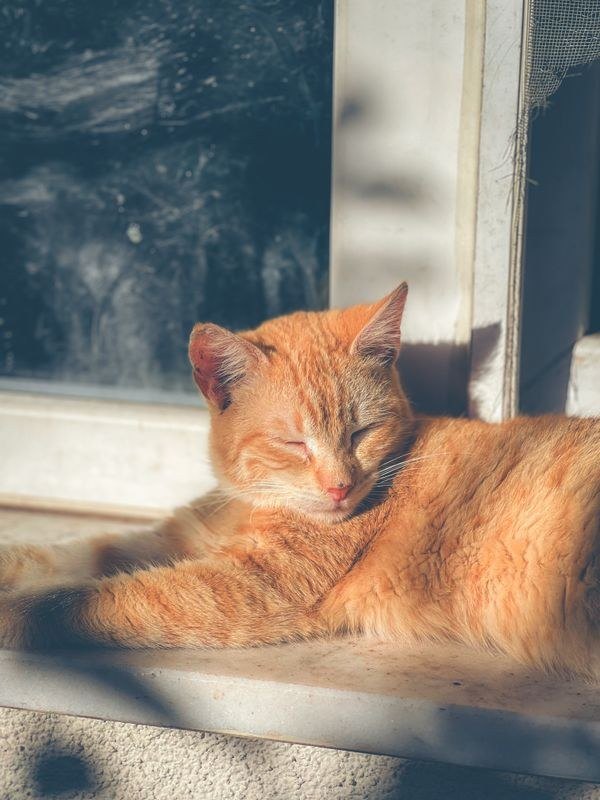
May suggest: Napping on a perch may suggest your cat enjoys warmth and watching the world between naps.
Gentle tip: A sturdy window perch gives indoor cats a sunny, interesting rest spot.
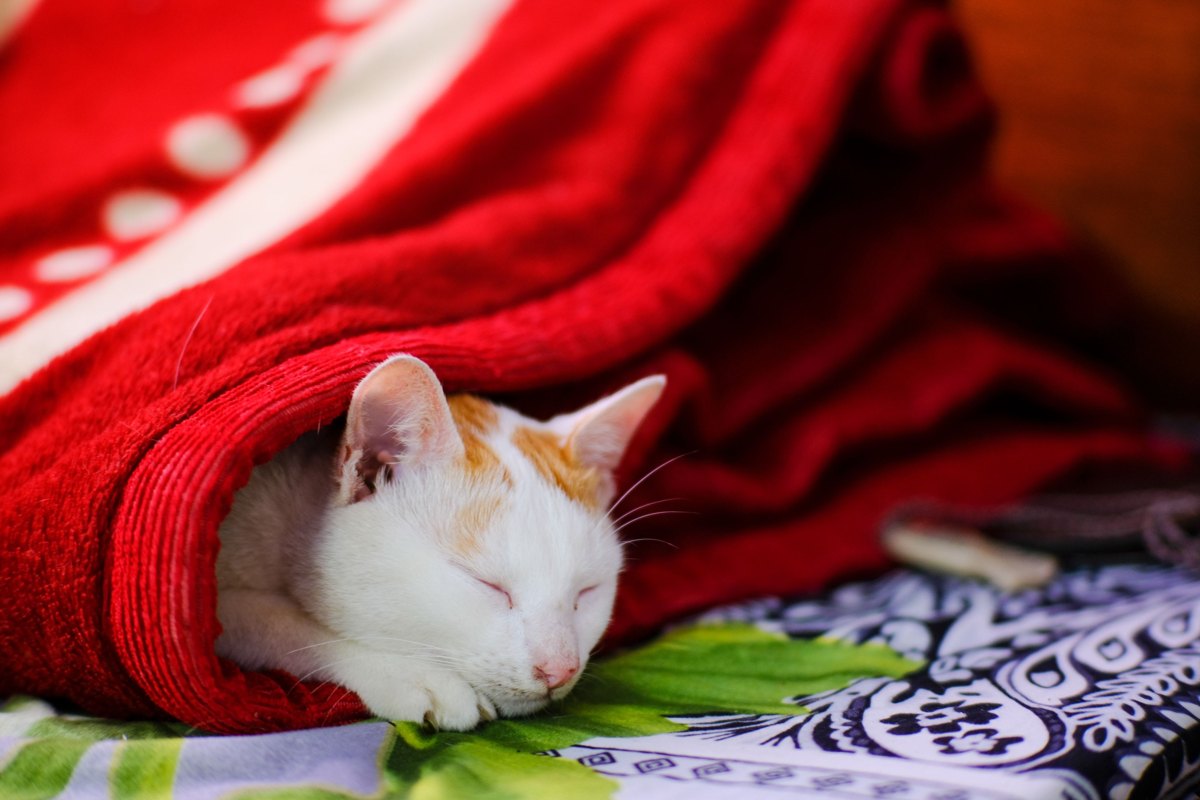
May suggest: Burrowing under a blanket may suggest your cat wants warmth and a cozy, hidden feeling.
Gentle tip: Keep a light blanket available, and never force a cat to stay covered.
May suggest: Resting the chin on the paws may suggest light dozing — relaxed, but ready to wake.
Gentle tip: Chin-resters often still track sounds, so a quiet room helps them settle.
Reading the signs
Look at the whole picture: a relaxed body, slow breathing, and a cat who wakes, stretches, eats, and plays as usual is generally a comfortable cat. A single position on its own does not diagnose anything.
Sleeping spots matter too. Cats often choose places that feel warm, safe, and close to their favorite people — which is why your pillow or laundry pile may win over an expensive bed.
When to check
Sleeping more than usual on its own can be normal, especially for kittens and senior cats. Ask a veterinarian if a sleep change comes with appetite loss, litter changes, breathing difficulty, hiding, or a sudden behavior change.
FAQ
It can be. An exposed belly often goes with feeling safe, though it is not always an invitation for belly rubs.
It may simply block light. Many cats do it in bright rooms for a deeper nap.
Try to let sleeping cats rest. If you must move them, speak softly first so you do not startle them.
If extra sleep comes with appetite, litter, breathing, or behavior changes, ask a veterinarian.
Keep reading

Cat Behavior
Slow blinks, head bumps, lap time, and other quiet trust signs explained in plain language.
9 signs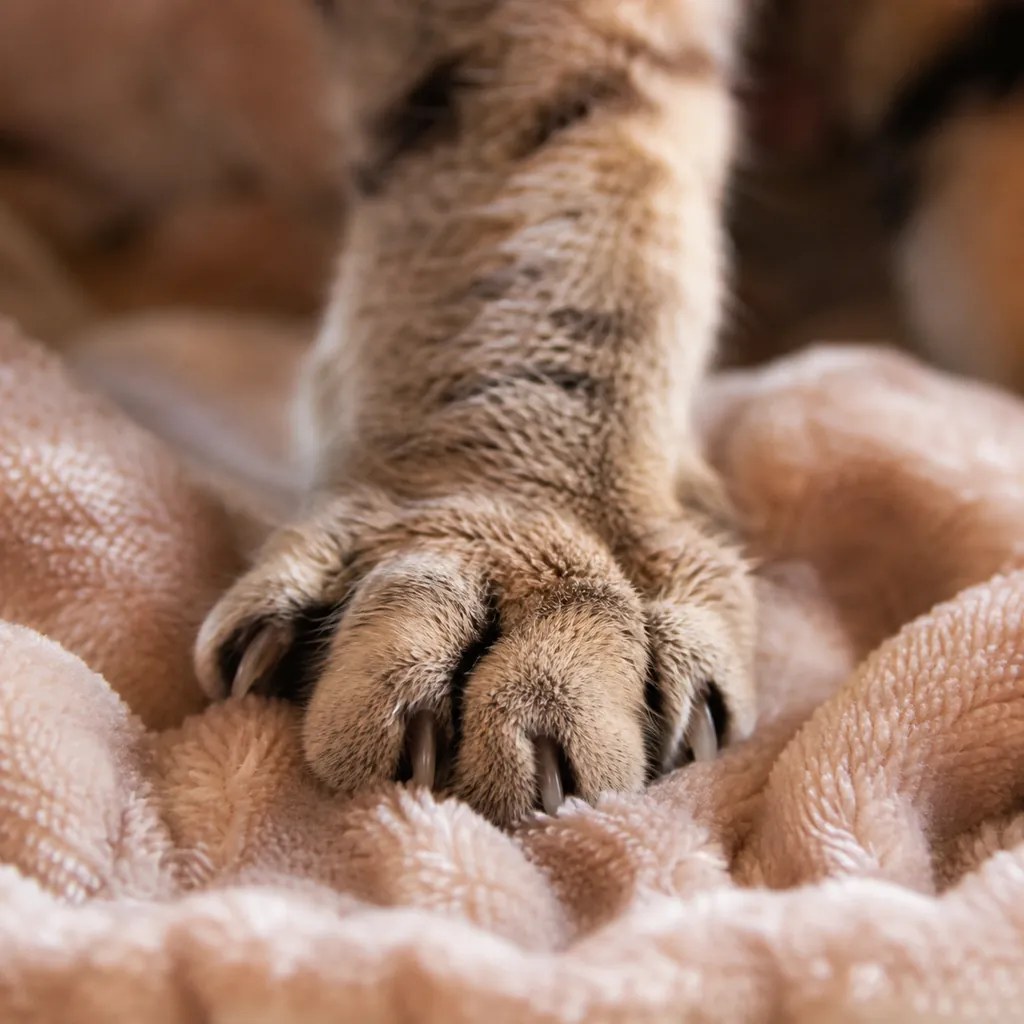
Cat Behavior
Why cats make biscuits on blankets, laps, and beds — and when a change is worth a vet check.
7 reasons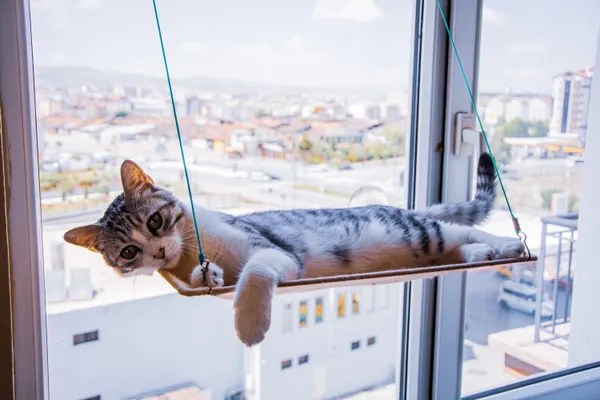
Indoor Cat Life
Window perches, puzzle play, cardboard hideouts, and simple ways to enrich indoor cat life.
15 ideas